

Gynaecologic laparoscopy is a minimally invasive surgical technique used to diagnose and treat a range of gynaecological conditions. The procedure involves making small incisions in the abdomen to insert a tiny camera and specialized surgical instruments. The camera provides a magnified view of the pelvic organs, allowing the gynaecologist to examine the uterus, ovaries, fallopian tubes, and surrounding tissue.
Our team of highly skilled and experienced gynaecologists is committed to providing personalized and compassionate care to each of our patients. We specialize in laparoscopic surgery to treat a wide range of gynaecological conditions, including endometriosis, ovarian cysts, fibroids, ectopic pregnancy, and pelvic inflammatory disease.
At Oorkid Hopsital & IVF Centre, considered as one of the best gynaecology hospital in Surat, we understand that gynaecological conditions can be sensitive and personal. That’s why we provide a comfortable and welcoming environment for our patients, where they can feel safe and supported. We take the time to listen to our patients’ concerns and provide personalized care and support to help them manage their condition and maintain optimal reproductive health.
Laparoscopy is a safe and effective surgical technique that offers many benefits over traditional surgery. Laparoscopic surgery involves smaller incisions, which means less pain, reduced scarring, and a faster recovery time. Patients who undergo laparoscopic surgery typically experience less post-operative pain, require fewer pain medications, and can resume normal activities sooner than those who undergo traditional surgery.
Our gynaecologists use the latest laparoscopic technology to perform a wide range of surgical procedures, including hysterectomy, myomectomy, ovarian cystectomy, and tubal ligation. We work closely with our patients to ensure they understand their condition, the surgical procedure, and the recovery process.
Our laparoscopic surgery services include pre-operative counseling and evaluation, laparoscopic surgery, and post-operative follow-up care. Our gynaecologists are dedicated to providing compassionate care and support to help our patients manage their condition and improve their quality of life.
If you’re looking for the best gynaecologist in Surat for laparoscopic surgery, look no further than our hospital. Our team of experienced and skilled gynaecologists is committed to providing personalized care to each of our patients. We use the latest laparoscopic technology to ensure our patients receive the best possible care and outcomes.
If you’re experiencing symptoms of a gynaecological condition or have been diagnosed with one, laparoscopic surgery may be an effective treatment option for you. Contact us today to schedule an appointment with the best gynaecologic laparoscopic surgery in Surat and take the first step towards improved reproductive health.

One of the finest methods for detecting uterine septum is hysteroscopy. While having a septated uterus raises the risk of miscarriage and other pregnancy-related issues, it does not cause infertility. Additionally, it can be a factor in people with secondary infertility delaying their first spontaneous pregnancy.
The reproductive efficiency of women is significantly enhanced after hysteroscopic septal excision. It is thought to be a secure and efficient method of removing the uterine septum. There are no negative impacts of the operation on the fertility factor.

Tubectomy is surgery in which the fallopian tubes are permanently tied or removed to prevent pregnancy. Laparoscopy allows you to see the area and do surgery by creating tiny incisions in the abdomen region.
At Orkid, we have a team of doctors that can propose the best treatments and handle operations for gynecological diseases such as tubectomy, backed up by great infrastructure. If you are looking for tubal ligation in surat, call us to schedule an appointment for a complete evaluation, diagnosis, and successful treatment that will help you to live a healthy and active life.

Tubal cannulation is a diagnostic procedure performed to help remove the blockage of either of the fallopian tubes. This procedure might be advised when the blockage is close to the uterus. Tubal cannulation is usually carried out right after your menstruation cycle has ended but before the beginning of ovulation. Also for the success of this diagnosis, it is important that you are not pregnant and do not have unprotected intercourse amidst ovulation while we perform the procedure.
However, this is an outpatient procedure and usually takes 30 minutes to 1 hour to complete.
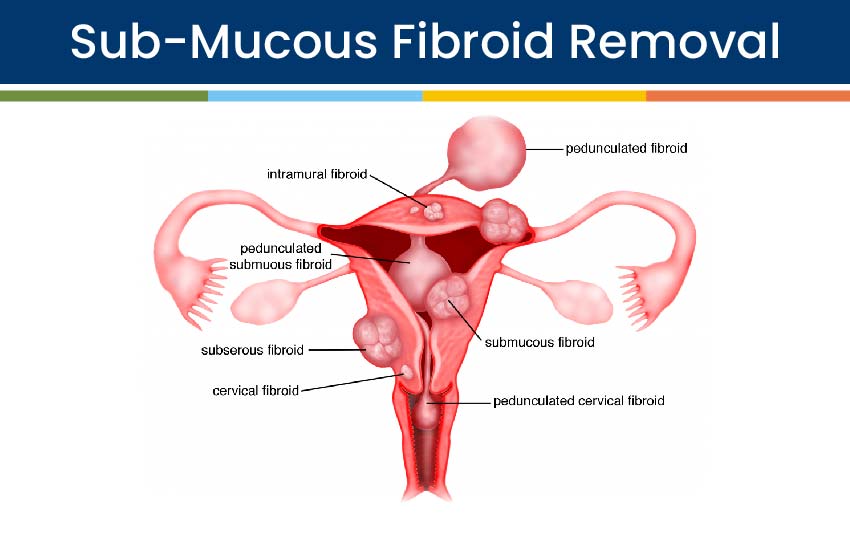
Submucous Fibroid or Submucosal Fibroid is a form of uterine fibroid located in the muscle below the uterine lining of the uterus and develops in the uterine cavity. These fibroids are noncancerous growth of the uterus that usually occurs during reproductive years. Uterine fibroids are not associated with a high risk of uterine cancer and usually never develop into cancer.
Fibroids vary in size from seedlings, unnoticeable by the human eye, to heavy masses that can develop and swell the uterus. These fibroids can be isolated or spread out. In severe circumstances, many fibroids may cause the uterus to enlarge to the point where it touches the rib cage and gains weight.
Uterine fibroids are a common condition in many women. As they cause no symptoms, you might not be aware that you have them. However your doctor might diagnose them while having pelvic exam or prenatal ultrasound.
When to visit doctor?
Visit doctor if you experience
If you are experiencing any such symptoms or looking for consultation, schedule an online appointment today!.
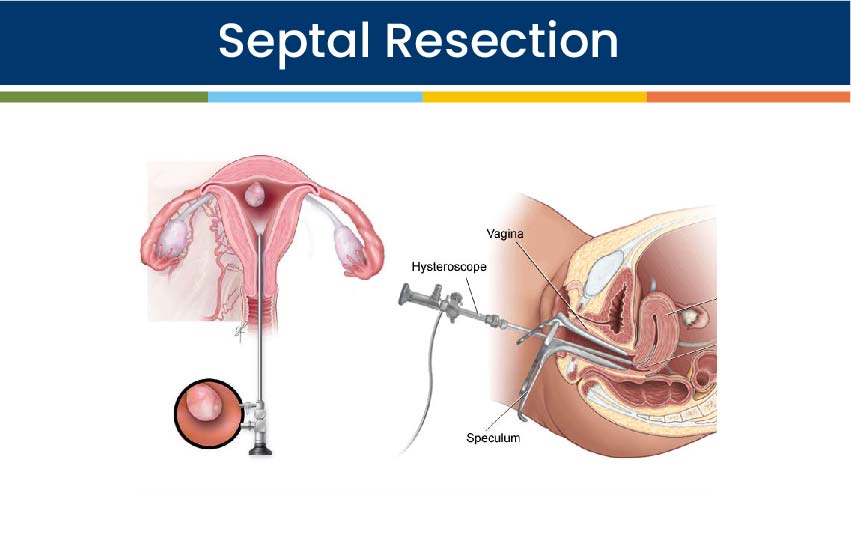
One of the most effective methods for uterine septum diagnosis is hysteroscopy. Although a septated uterus does not cause infertility, it can raise the risk of miscarriage and other pregnancy-related issues. Patients with secondary infertility may experience delayed natural conception as a result of it.
Women’s reproductive performance significantly improves after hysteroscopic septal excision. It is regarded as a secure and successful method of removing the uterine septum. The fertility factor is not negatively impacted by the surgery.
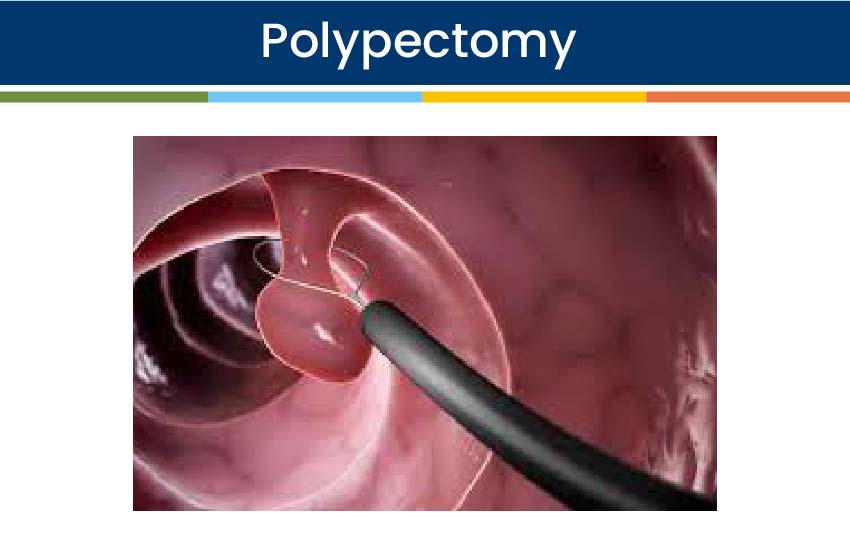
An operation known as a polypectomy is done to remove polyps from the colon, also known as the large intestine. A polyp is a tissue growth that is abnormal. The relatively non-invasive technique is typically done concurrently with a colonoscopy.

Women suffering from PCOS usually have ovaries with a thick outer layer. Due to which ovaries produce more testosterone. This high level of testosterone can result in irregular periods, abnormal body hair growth and acne.
In order to get rid of these, ovarian drilling is a laparoscopic surgery that uses a laser to destroy the androgen-forming tissue in the ovaries. This surgery is generally the ultimate possibility for ovulation conditions for those patients who does not respond to other treatments.
If you too are not experiencing any relief while going through several treatments then Orkid has got you covered.
Schedule an online appointment at orkidmedilife.com

Oophorectomy is a surgical procedure done to remove one or both ovaries. Your ovaries carry eggs and release hormones that regulate your menstrual cycle.
Removal of one ovary is called unilateral oophorectomy while removal of both ovaries is called bilateral oophorectomy.
An oophorectomy can be performed in the following ways:
Your condition will determine whether you should have an open, laparoscopic, or robotic oophorectomy. Laparoscopic or robotic oophorectomy typically results in a faster recovery, less discomfort, and a shorter hospital stay. However, these treatments are not ideal for everyone, and in certain situations, a laparoscopic procedure may need to be modified to an open procedure during the operation.
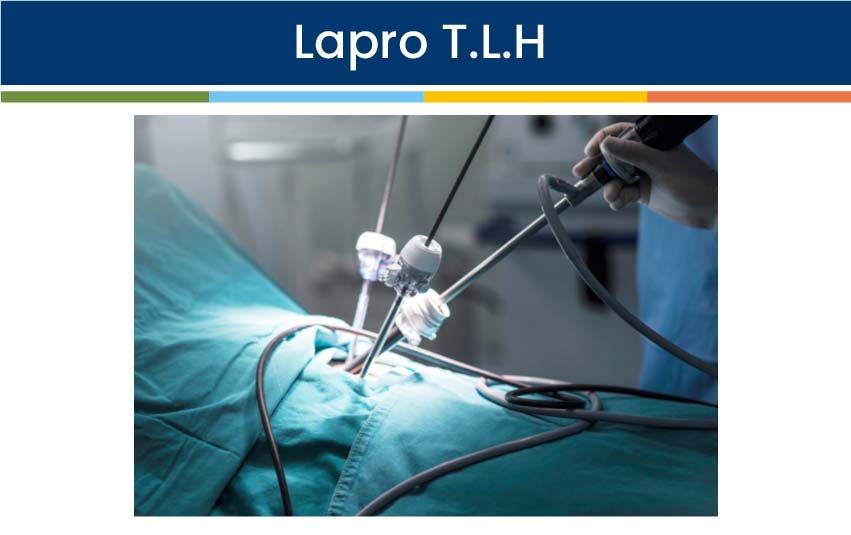
A total laparoscopic hysterectomy (TLH) is a minimally invasive surgical procedure in which the uterus is removed through small incisions in the abdomen using specialized instruments and a laparoscope (a thin, lighted tube with a camera on the end). The procedure is typically performed to treat conditions such as uterine fibroids, abnormal bleeding, and endometriosis.
During the procedure, the surgeon will make several small incisions in the abdomen and insert the laparoscope and other instruments through these incisions. The uterus is then detached from the ovaries, fallopian tubes, and upper vagina, and removed through one of the incisions. The remaining organs are then checked for any abnormalities and repaired if necessary.
TLH has several benefits over traditional open surgery, including less blood loss, shorter recovery time, less pain and scarring, and a lower risk of complications. However, it is a more technically demanding procedure and requires a skilled surgeon with experience in laparoscopic surgery.
Recovery time and postoperative care will vary depending on the individual case and the patient’s overall health. In general, most patients are able to return to normal activities within a few weeks.
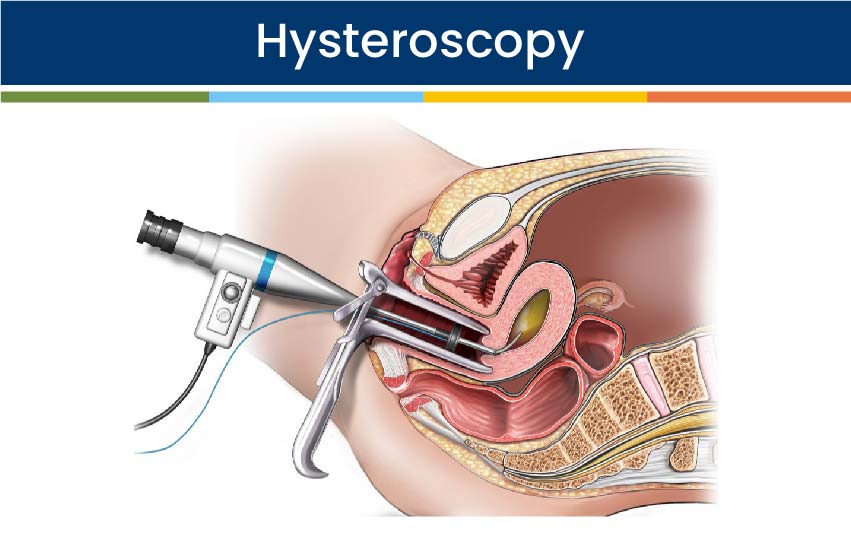
Hysteroscopy is a procedure in which a thin, lighted tube (hysteroscope) is inserted through the cervix into the uterus to examine the inside of the uterus and the cervical canal. It is used to diagnose and treat conditions such as abnormal bleeding, fibroid tumors, and polyps. The procedure can be performed in a doctor’s office or outpatient surgery center and usually does not require anesthesia. Recovery time is usually short and most people are able to return to normal activities within a day or two.

Laparoscopic fibroid removal is a surgical procedure done to restrict and remove uterine fibroids from a woman’s uterus. The surgery can assist in easing the symptoms of uterine fibroid growth, including unusually heavy monthly flow, pelvic discomfort, and pressure on the bladder or intestines.
It avoids open surgery by using small, specialized surgical equipment inserted through one or more microscopic abdominal incisions. Patients gain by having fewer hospital stays if any, less discomfort, scars, and problems, as well as quicker recuperation and quicker return to regular activities.
For more information or consultation on Fibroid removal, contact us today!
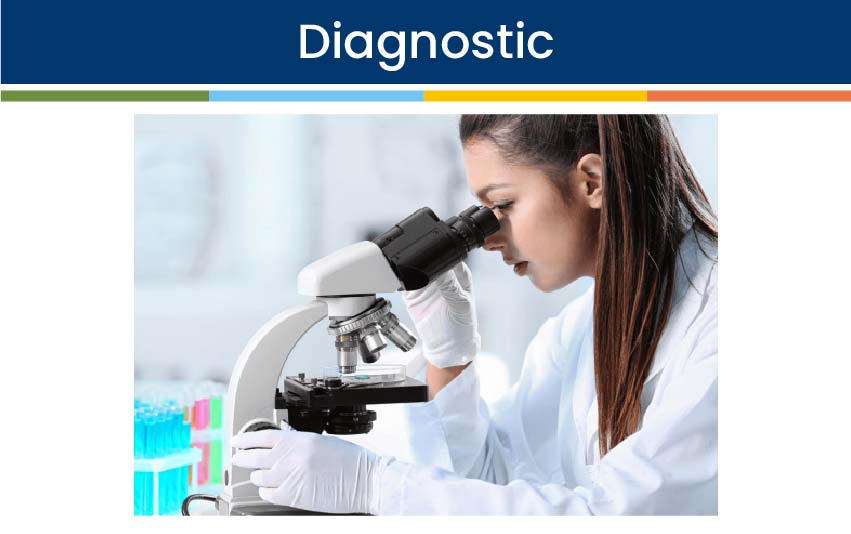
Diagnostic laparoscopy is a surgical procedure used to examine the abdomen and pelvis from the inside. It is often performed to diagnose a disease or treat already existing conditions. This may eliminate the need for complicated surgery in the future. The treatment is used to diagnose discomfort or growth in the abdominal and pelvic region when an accurate diagnosis cannot be made by ultrasound or X-ray. Checking the organs in the abdomen after an injury is occasionally done. As part of cancer treatment, diagnostic laparoscopies are frequently carried out to check for cancer spread. Once the condition is diagnosed, treatment can be initiated.

Uterine prolapse is a disease where the tissues and muscles around your uterus get weakened. This impacts your uterus to sink into the vagina. It is a common condition that usually emerges after menopause and in women who have more than one vaginal delivery. With the passage of time and with multiple deliveries, the ligaments and muscles around your uterus get worn out. While this structure began to weaken, your uterus might sink from its position.
Any woman suffering from uterine prolapse experience different types of symptoms including:
Depending on the diagnosis treatment might involve surgery and conservative management. Thus, patients with mild uterine prolapse might not require any treatment since they are symptomless. However, for women who show symptoms of mild to moderate prolapse, treating them with conservative management can be appropriate.
If you are experiencing any of the above mention symptoms or suffering from uterine prolapse, our experienced doctors at Orkid can offer you a thorough diagnostic followed by the right treatment created based on your health condition

Adhesiolysis is a surgical procedure in which adhesions (abnormal bands of tissue that form between organs and tissues) are separated or broken down to relieve pain or other symptoms. This procedure is often performed laparoscopically, using small incisions and specialized instruments. Adhesiolysis may be used to treat a variety of conditions, including chronic pelvic pain, infertility, and bowel obstruction. The success rate of the procedure depends on the cause and location of the adhesions, as well as the skill and experience of the surgeon.
And if you are looking for such an experience surgeon in Surat, we are just a click away.
Get insider tips straight to your inbox, relate to the challenges other services teams face everyday.
© 2025 Orkid Hospital & IVF Centre. All Rights Reserved.
Powered By