
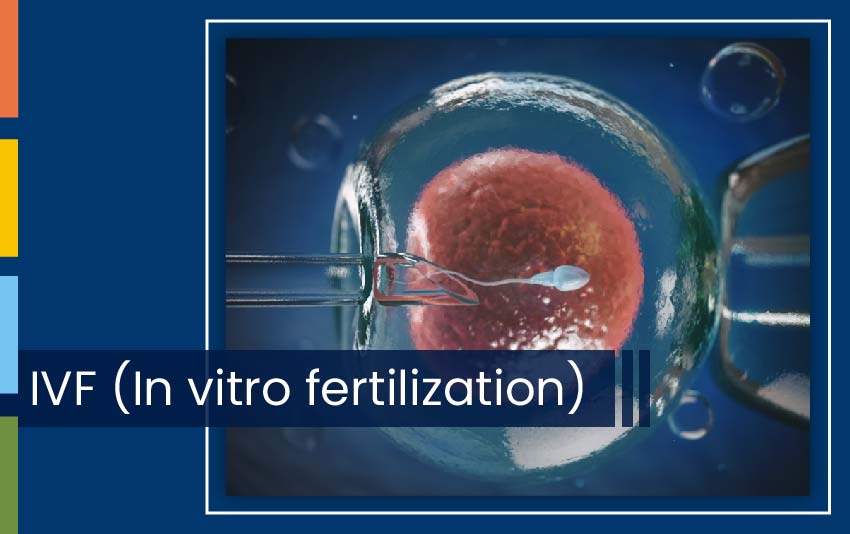
IVF stands for in vitro fertilization. It is a type of assisted reproductive technology (ART) that involves fertilizing an egg with sperm outside the body, in a laboratory dish. The fertilized egg, or embryo, is then transferred to the uterus to continue its development.
IVF is often used as a treatment for infertility when other methods, such as fertility medications or intrauterine insemination (IUI), have been unsuccessful. It may also be used to overcome certain genetic disorders or other fertility-related issues.
The IVF process typically involves several steps, including:
After the embryo transfer, patients may be prescribed medications to help support the development of the embryo and increase the chances of a successful pregnancy.
IVF has been used successfully for many years and has helped many couples achieve their dream. However, it is a complex and often expensive procedure, and success rates can vary depending on a range of factors, including age, overall health, and underlying fertility issues. It’s important to talk to a fertility specialist to determine if IVF is the right treatment option for you.
We understand that infertility can be a difficult and emotional experience for couples. That’s why we provide compassionate care and support throughout the entire process, from diagnosis to treatment and beyond. Our goal is to help our patients feel comfortable and confident throughout their fertility journey.
Our IVF services include a range of fertility treatments, including in vitro fertilization (IVF), intracytoplasmic sperm injection (ICSI), pre-implantation genetic diagnosis (PGD), and frozen embryo transfer (FET). We work closely with each of our patients to develop a personalized treatment plan that meets their unique needs and goals.
At our best IVF centre in Surat, we use state-of-the-art technology and modern techniques to ensure the highest possible success rates. Our laboratory is equipped with the latest equipment and technology to ensure the best possible outcomes for our patients. We also have an experienced team of embryologists who work tirelessly to ensure the best possible conditions for the development and growth of embryos.
Our team of fertility specialists is dedicated to providing the best possible care to our patients. We are committed to staying up-to-date with the latest research and advancements in fertility treatments to ensure that our patients receive the best possible care and outcomes.
If you’re looking for the best IVF centre in Surat, look no further than our hospital. We are committed to provide compassionate care and support throughout the entire process. Our team of best gynaecologist in surat and skilled fertility specialists is dedicated to providing the highest quality care to our patients.
We understand that fertility treatments can be expensive, which is why we offer a range of affordable options to help our patients access the care they need. We also offer financing options to help our patients manage the cost of their treatment.
If you’re struggling with infertility and are looking for a compassionate and experienced fertility specialist, contact us today to schedule an appointment.

Surrogacy is a method of assisted reproduction in which a woman (the surrogate) carries and gives birth to a child for another person or couple (the intended parents). There are two types of surrogacy: traditional surrogacy, in which the surrogate is also the biological mother of the child, and gestational surrogacy, in which the surrogate carries an embryo created using the egg and sperm of the intended parents or donors.
Surrogacy can be an option for individuals or couples who are unable to conceive a child due to infertility, medical conditions, or other factors. It can also be chosen by same-sex male couples or single individuals who wish to have a biological child.
At Orkid, we are committed to helping you complete your family and support surrogacy arrangements. For more information contact us today!
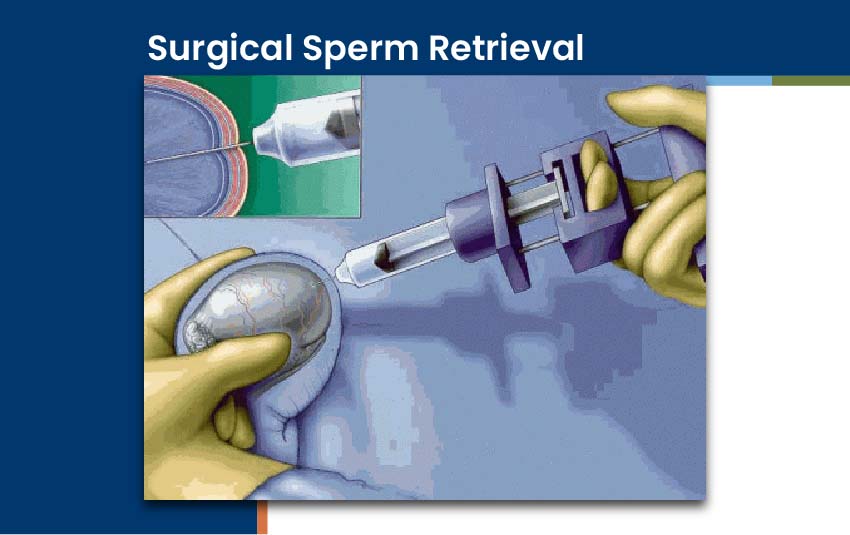
Surgical sperm retrieval (SSR) is a procedure used to obtain sperm from men who have a blockage or absence of the vas deferens, the tube that carries sperm from the testicles to the urethra. This blockage can be caused by a variety of factors, including genetic disorders, previous surgeries, or injury. SSR can also be used to retrieve sperm from men who have very low sperm counts or poor sperm motility.
There are several different techniques used for SSR, including:
Once the sperm has been obtained, it can be used in assisted reproductive technologies such as in vitro fertilization (IVF) or intracytoplasmic sperm injection (ICSI) to help a couple achieve pregnancy.
Our experienced doctors at Orkid can diagnose and help you find the right treatment for you.
Book an online appointment today!

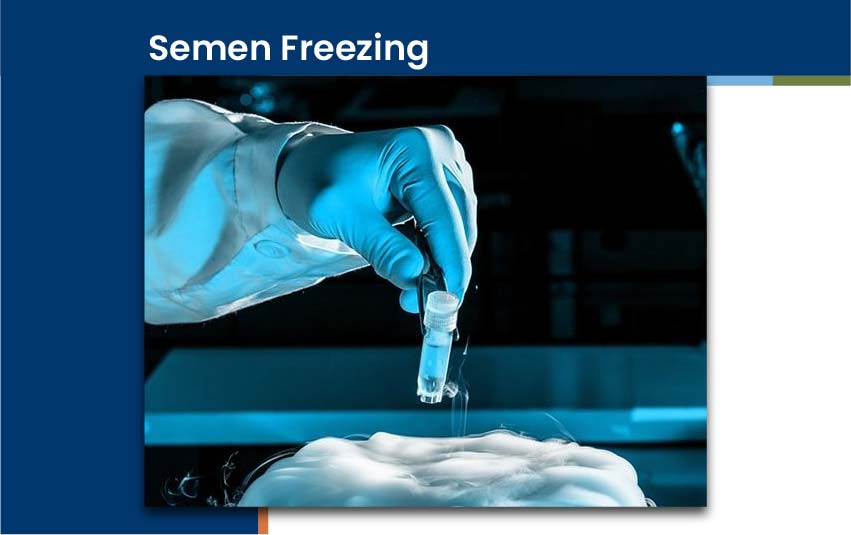
Semen freezing is a process by which sperm cells are frozen in order to preserve their viability. This technique is often used for fertility preservation, allowing individuals to store their sperm for future use. Semen freezing is also used for medical purposes, such as preserving sperm from donors for use in artificial insemination.
The process of semen freezing begins with a semen sample being collected and analyzed for quality. The sample is then placed into a special container and frozen using liquid nitrogen or other cryopreservation techniques. The sperm cells are then stored in a sperm bank or fertility clinic. The frozen sperm can remain viable for many years, although there is some loss of fertility over time.
Overall, semen freezing is a safe and effective way to preserve fertility and help individuals achieve their family-planning goals. While the process is somewhat complex, it can provide peace of mind to those who want to ensure that their fertility options remain available in the future.
Want to know about semen freezing, feel free to call Orkid and get every question answered.
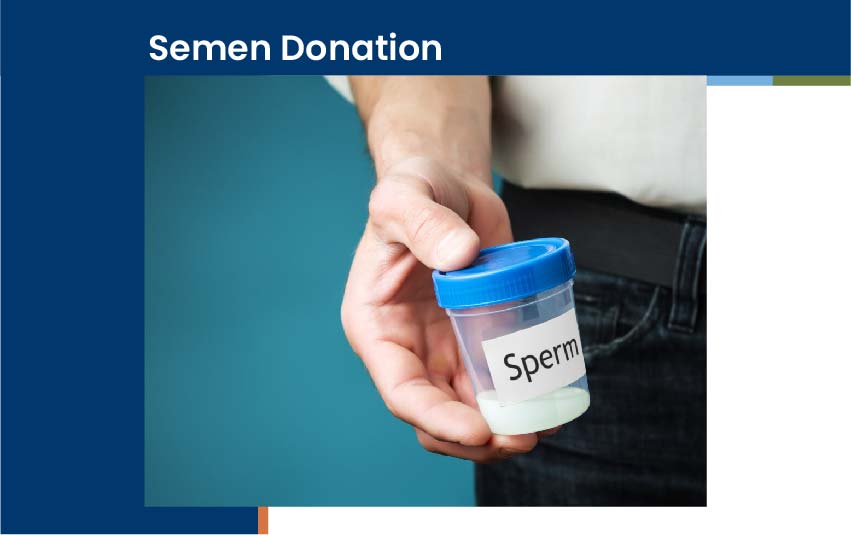
Semen donation is a process in which a man anonymously donates his sperm to a sperm bank or fertility clinic. This process can help infertile couples have biological children. The process of donating semen involves an extensive screening process to ensure that the donor meets all safety and health requirements. Donors must provide a detailed medical and family history, as well as undergo blood tests and other tests to ensure that they have no genetic or infectious diseases. Once a donor is accepted, they will typically provide samples of their semen on a regular basis. The semen is then quarantined and frozen for use in artificial insemination.
Semen donation is a generous act that helps many couples become parents. It is important for potential donors to understand what is involved in the process, and to make sure that they are comfortable with the medical and legal implications of donating their semen.
Be the reason behind an infertile parent’s smile, by donating sperm. Contact Orkid’s team for more information regarding sperm donation.
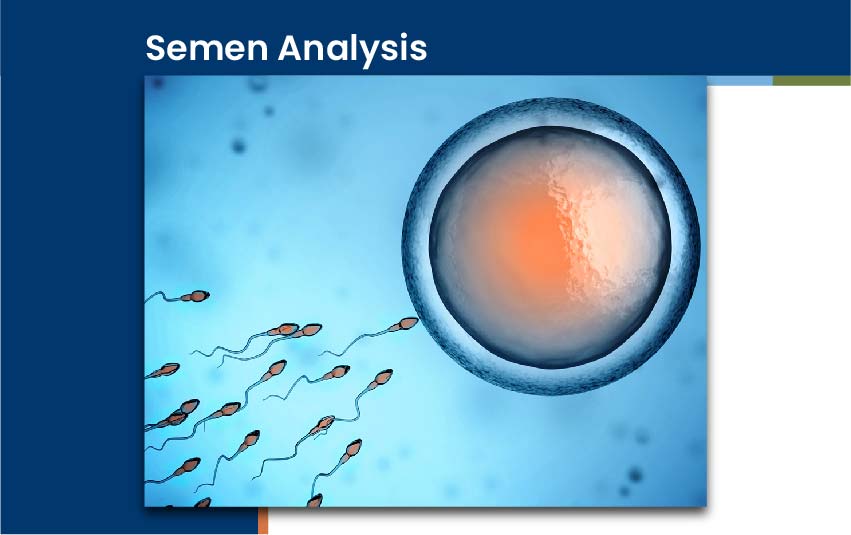
A semen analysis is a test that evaluates the quality and quantity of a man’s semen and sperm. The test is typically performed as part of a fertility evaluation or when a man is experiencing difficulty with conception. During a semen analysis, a man will be asked to provide a sample of semen, which is usually collected by masturbation, and the semen is then sent to a laboratory for analysis.
The laboratory will examine the semen sample under a microscope to evaluate the following parameters:
It’s important to note that semen analysis results may vary from one sample to another.
Therefore, our experts at Orkid, recommend every man have two to three semen analyses performed over a period of time, to get a more accurate picture of their sperm health.
If you are searching for semen analysis in Surat then we are just a call away!

Reproductive surgeries refer to a range of procedures that are performed on the reproductive organs of both males and females.
In males, common reproductive surgeries include vasectomy (a form of permanent sterilization in which the vas deferens, the tubes that carry sperm from the testes to the urethra, are cut or blocked), and vasectomy reversal (a procedure to restore the flow of sperm). Other procedures include the repair of a varicocele (an abnormal dilation of the veins in the testicle), and testicular implants for men who have lost one or both testicles due to injury or cancer.
In females, common reproductive surgeries include tubal ligation (a form of permanent sterilization in which the fallopian tubes are cut or blocked), and tubal reversal (a procedure to restore the flow of eggs to the uterus). Other procedures include the removal of fibroid tumors (non-cancerous growths) from the uterus and surgical repair of a prolapsed uterus (a condition in which the uterus falls into the vaginal canal). Additionally, a hysterectomy (removal of the uterus) is a common surgery in reproductive health.
It’s important to note that many of these procedures are considered major surgeries and may carry risks and complications. It is important to discuss the risks and benefits of any procedure with experienced doctors before making a decision.
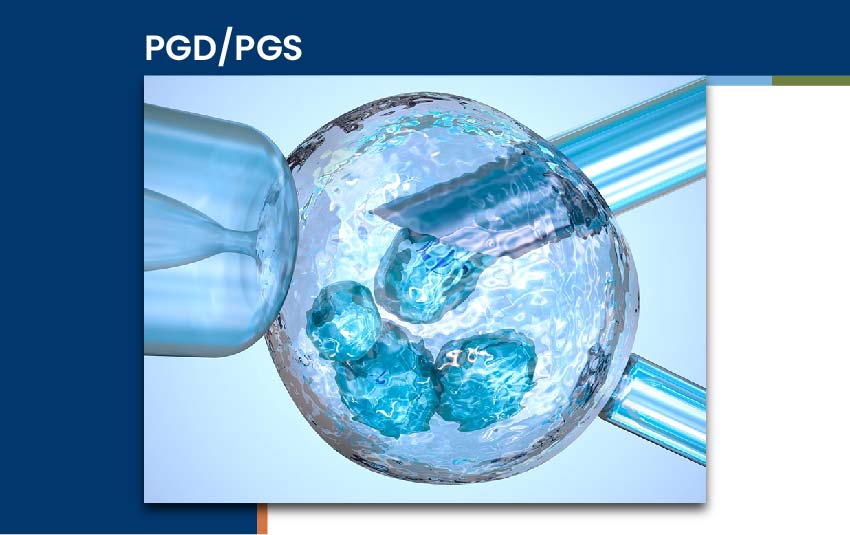
Pre-Implantation Genetic Screening(PGS) examines extracted cells from the embryo to screen for potential genetic conditions while there is no specific inherited disease. Whereas Pre Genetic Diagnosis uses a similar approach but only to examine a specific condition that has a high probability of being passed down from the parents to their offspring.
The advantage of this test includes minimizing the risk of passing a genetic disorder and increasing the chance of successful pregnancy and birth rate from IVF treatment.
Infertility problems are prevalent among couples nowadays. And as the mother gets older, these problems only get worse. As a result, several remedies to this issue are offered to assist couples in starting kids. PGS is another therapeutic option offered by Orkid.
Ovum donation, also known as egg donation, is a process where a woman (the egg donor) donates her eggs to another woman (the recipient) for the purpose of achieving pregnancy. Ovum donation can be used by women who have difficulty producing their own eggs, either due to age, medical conditions, or genetic disorders.
The process of ovum donation typically starts with the egg donor undergoing a controlled ovarian stimulation (COS) to stimulate the production of multiple eggs. The eggs are then retrieved using a procedure called transvaginal oocyte retrieval (TVOR), which is similar to a minor surgical procedure, performed under sedation or general anesthesia. The retrieved eggs are then fertilized with sperm from the recipient’s partner or a sperm donor, and the resulting embryos are transferred to the recipient’s uterus.
Ovum donation can be beneficial to women experiencing:
It’s important to consider the emotional and psychological aspects of using a donated egg and the possible genetic, legal, and social implications. It is recommended to consult with a fertility specialist and a counselor to discuss the best options for you.
For information or consultation, book an online appointment today!
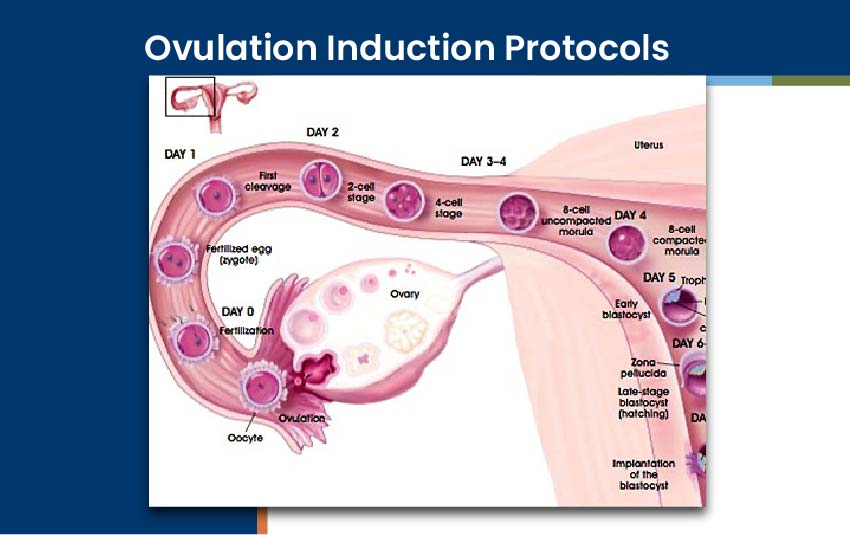
Ovulation induction is a fertility treatment that helps women who have difficulty ovulating or who have irregular menstrual cycles to produce eggs. The goal of ovulation induction is to stimulate the ovaries to produce multiple eggs, which increases the chances of conception.
There are several different ovulation induction protocols that can be used, depending on the woman’s specific needs and medical history.
However, ovulation induction protocols may have side effects and risks, including the possibility of multiple pregnancies, ovarian hyperstimulation syndrome (OHSS), and birth defects. It’s important to consult a fertility specialist who can recommend the best protocol for your individual case and monitor you throughout the process.
If you are looking for such a consultation, then book an online appointment at Orkid today!
Oocyte cryopreservation, also known as egg freezing, is a procedure that involves freezing a woman’s unfertilized eggs for future use. This allows a woman to preserve her fertility and have the option to use her own eggs to achieve pregnancy at a later time.
The process of oocyte cryopreservation typically starts with a woman undergoing controlled ovarian stimulation (COS) to stimulate the production of multiple eggs. The eggs are then retrieved using a procedure called transvaginal oocyte retrieval (TVOR), which is similar to a minor surgical procedure, performed under sedation or general anesthesia.
Once the eggs are retrieved, they are immediately frozen using a process called vitrification. Vitrification is a rapid freezing process that helps to prevent ice crystal formation, which can damage the eggs. The eggs are stored in liquid nitrogen at a temperature of -196 degrees Celsius.
Oocyte cryopreservation can be beneficial for women who want to preserve their fertility for various reasons, such as career or personal plans, medical conditions that may affect fertility, or undergoing treatments that may damage the ovaries.
The success rate of pregnancy with cryopreserved eggs varies depending on factors such as the woman’s age at the time of freezing, the number of eggs frozen, and the quality of the eggs.
Our experienced doctors at Orkid can help you find the best option for you!
Oocyte cryopreservation, also known as egg freezing, is a procedure that involves freezing a woman’s unfertilized eggs for future use. This allows a woman to preserve her fertility and have the option to use her own eggs to achieve pregnancy at a later time.
The process of oocyte cryopreservation typically starts with a woman undergoing controlled ovarian stimulation (COS) to stimulate the production of multiple eggs. The eggs are then retrieved using a procedure called transvaginal oocyte retrieval (TVOR), which is similar to a minor surgical procedure, performed under sedation or general anesthesia.
Once the eggs are retrieved, they are immediately frozen using a process called vitrification. Vitrification is a rapid freezing process that helps to prevent ice crystal formation, which can damage the eggs. The eggs are stored in liquid nitrogen at a temperature of -196 degrees Celsius.
Oocyte cryopreservation can be beneficial for women who want to preserve their fertility for various reasons, such as career or personal plans, medical conditions that may affect fertility, or undergoing treatments that may damage the ovaries.
The success rate of pregnancy with cryopreserved eggs varies depending on factors such as the woman’s age at the time of freezing, the number of eggs frozen, and the quality of the eggs.
Our experienced doctors at Orkid can help you find the best option for you!
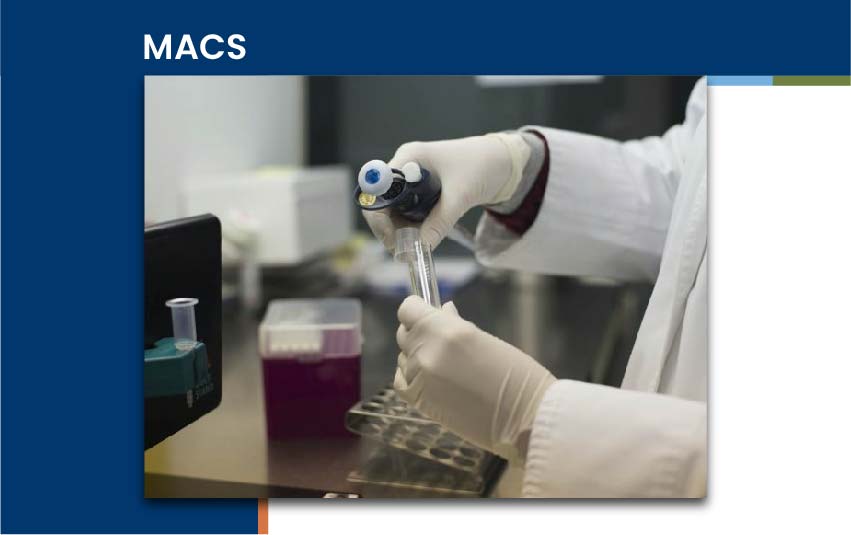
Magnetic-activated cell sorting (MACS) is a method used to isolate and purify specific cell populations from a mixture of cells. The method uses magnetic beads that are coated with antibodies that bind to specific cell surface markers on the cells of interest. The cells are first labeled with these antibodies and then passed through a column containing the magnetic beads. The cells bound to the magnetic beads are then pulled away from the mixture by a magnetic field, while the unbound cells pass through the column. This method is commonly used to isolate cells for downstream applications such as flow cytometry, PCR, and cell culture. It has also been used to purify cells for gene therapy and regenerative medicine.
For more information or consultation, book an online appointment today!
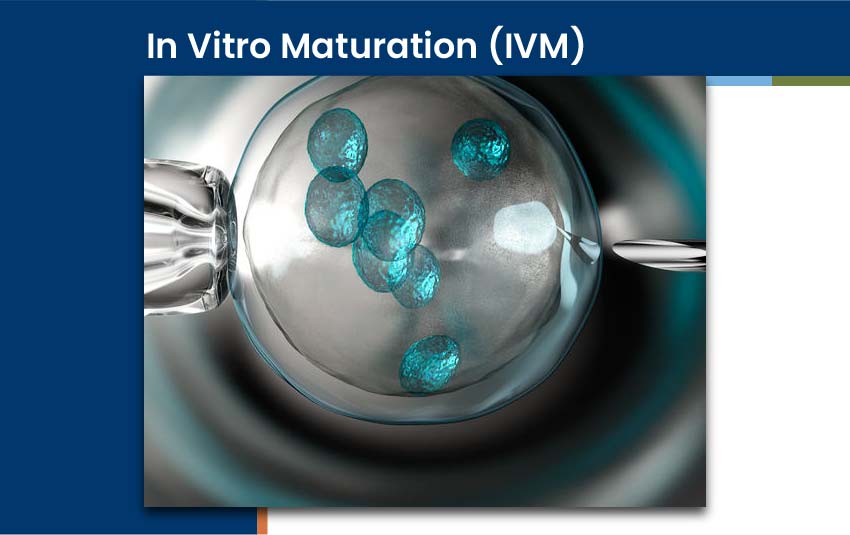
With the help of advanced technology in In Vitro Maturation in association with In Vitro Fertilization (IVF), our doctors are able to collect a woman’s immature eggs. We term this process as In Vitro Fertilization with maturation. IVM procedure increases a woman’s chances of using her few immature eggs for fertilization.
In Vitro Maturation(IVM) Process
The woman’s immature eggs are surgically removed and then put in a petri dish with a particular maturation medium at the state-of-the-art IVF facility of Orkid in Surat. As the eggs fully mature outside of the woman’s body, they are then closely watched. Intracytoplasmic Sperm Injection is a method of fertilization where one sperm is injected into each individual egg (ICSI). The resultant embryos are cultivated for a few more days until they have reached a stage where they are transferable and viable. For fresh IVF transfer or cryopreservation, only the best embryos are chosen.
In Vitro Maturation Success Rates
Usually, women under 30 have the highest chances of producing multiple egg follicles to be recollected before maturity. As with all infertility treatment protocols, pregnancy success rates are lower for women in their advanced maternal years (over 35). As these women are not good candidates for IVM in association with IVF because of a lower fertility rate. However, this doesn’t discount everyone, thus it’s important to consult whether this treatment is right for you or not.
To find out whether you are eligible or not, book an appointment today!
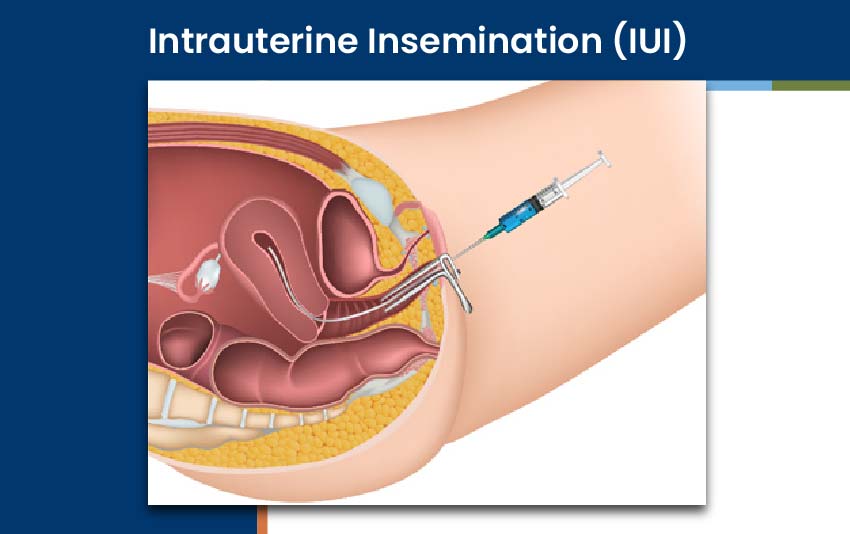
Intrauterine Insemination or IUI is a small procedure where the sperm is directly inserted into the uterus with the help of a small catheter. This procedure increases the chances of conceiving by helping the sperm reach the fallopian tubes while the woman is most fertile.
Who can benefit from IUI?
IUI is a common treatment option as it is simply done at our clinic and is a less intrusive, more affordable option compared to In Vitro Fertilization (IVF).
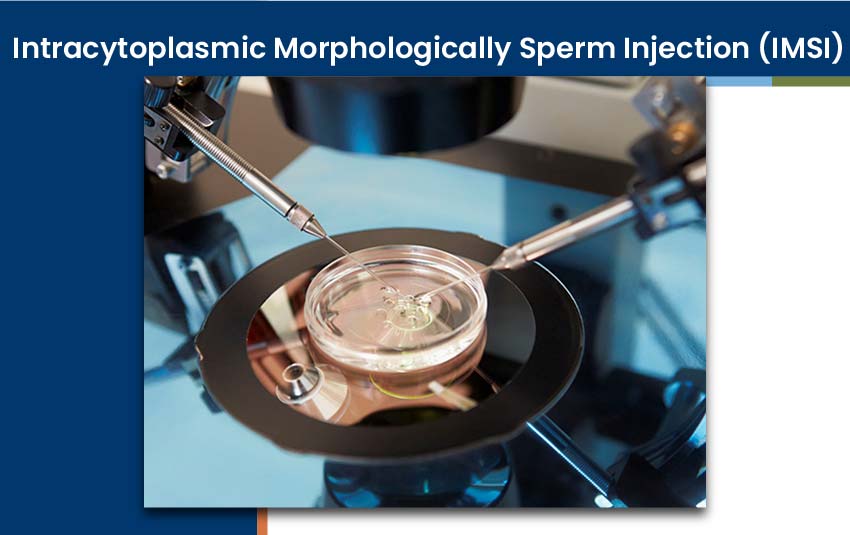
Intracytoplasmic Morphologically-Selected Sperm Injection (IMSI) is a technique used in assisted reproduction, specifically In vitro fertilization (IVF) procedures. It is a form of intracytoplasmic sperm injection (ICSI) in which the sperm is examined at high magnification before being injected into the egg. The goal of IMSI is to improve the chances of fertilization and pregnancy by selecting sperm that have the best morphology (shape and structure) for injection. This technique is typically used in cases where there is a high degree of sperm abnormality or where previous IVF attempts have failed.
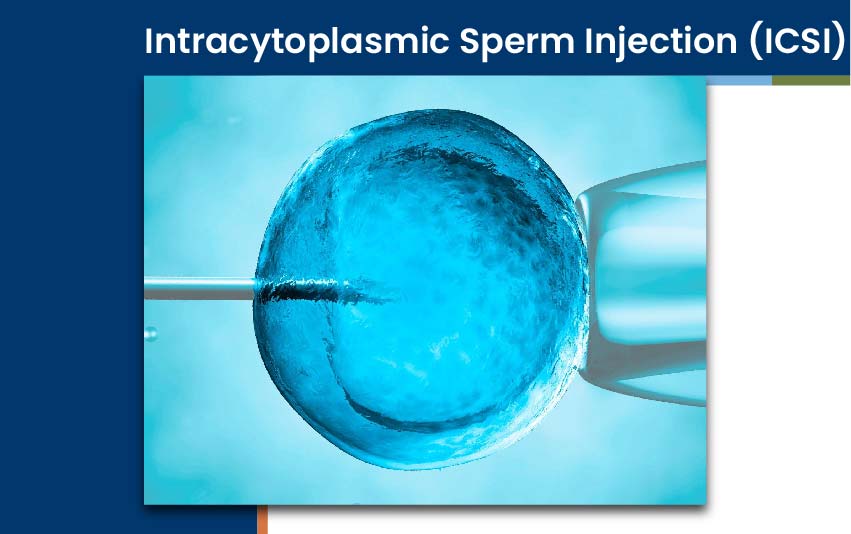
The head of the sperm must cohere to the outside of the egg before it may fertilize a woman’s egg. After the sperm gets attached, the sperm pushes to the interior of the egg where fertilization takes place.
The sperm occasionally fails to pierce the outer layer for a variety of causes. The sperm might not be able to swim either due to the egg’s thick outer layer or penetrate. In many cases, intracytoplasmic sperm injection, often known as ICSI, could be used in combination with In Vitro Fertilization (IVF) to help in fertilizing the egg.
Using specialized micromanipulation tools, equipment, and inverted microscopes, embryologists can choose and collect individual sperm in a specially made ICSI needle during IVF with ICSI.
The sperm is injected into the inside (cytoplasm) of the egg after the needle has carefully advanced through the egg membrane and outer shell.
The sperm is injected into the inside (cytoplasm) of the egg after the needle has carefully advanced through the egg membrane and outer shell.
To acquire several eggs for ICSI and in vitro fertilization, the woman must first be stimulated with medication and undergo an egg retrieval process.
The “standard of care” in this field of medicine does not, however, specify which situations call for the ICSI procedure and which do not.
It is used in certain clinics in every situation, whereas in others it is only used in extreme situations of male factor infertility. Between these two extremes, around half of all IVF clinics fall.
We now execute more ICSI operations than we did six to seven years ago, reflecting our evolving attitudes on the method (as a percentage of all cases). We will develop our concepts as we learn more about methods for helping couples conceive.
Anyone can experience infertility, but thankfully, our doctors can assist you in exploring the options so you can realize your goal.
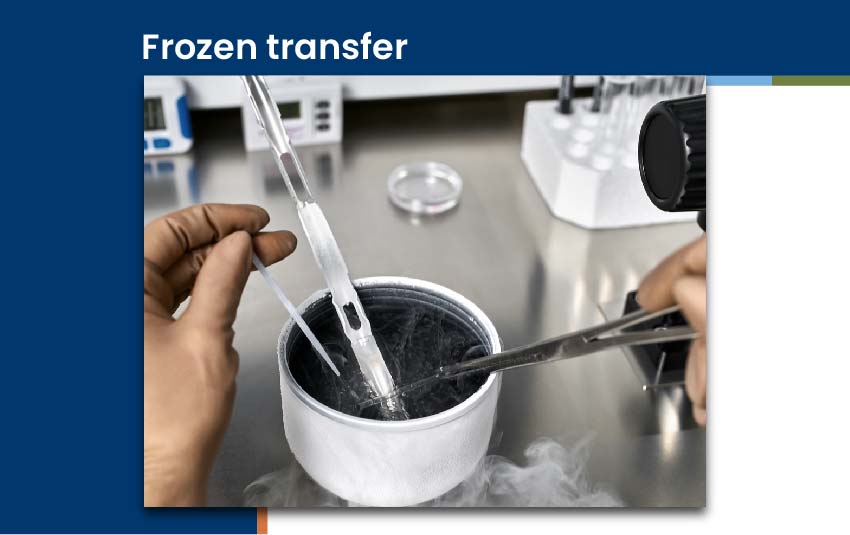
A frozen embryo transfer generally occurs 6-8 weeks after the embryo is frozen. The FET date is timed to coincide with the cycle to maximize implantation, and the patient is given drugs to resemble a natural menstrual cycle when she is ready to be transferred.
A FET is necessary if a patient wants her embryos evaluated for genetic problems. A short time after egg extraction, preimplantation genetic testing (PGT) is carried out. The embryo is biopsied (a little sample is extracted from the embryo), and the DNA from that sample, which includes the embryo’s DNA, is examined for chromosomal and genetic anomalies. Once the collection is completed, it becomes easy for embryologists to select only chromosomally normal embryos for transfer. By selecting normal embryos the chances of healthy pregnancy improve.
If you are ready to begin your fertility treatment and would like to learn more about frozen embryo transfers, contact us to schedule an appointment.
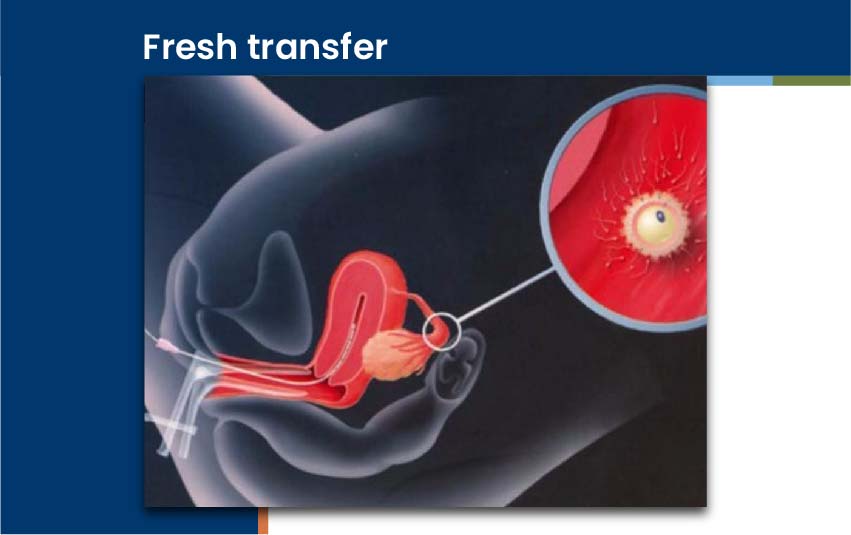
Usually, a patient’s eggs are removed 5 days following fresh embryo implantation. In a lab, sperm and eggs are combined to form an embryo, which is then grown and carefully watched over. Since there is only a 5-day waiting period between egg harvesting and embryo transfer into the uterus, the major advantage of a fresh embryo transfer is that conception occurs more quickly. Additionally, because many insurance providers do not pay for cryopreservation, some patients choose fresh transfers for budgetary reasons.
Fresh transfers are not always recommended. A new transfer shouldn’t be performed if a patient’s progesterone level is high since it would have a detrimental impact on embryo implantation. A new transfer could also be harmful to a patient if they are susceptible to hyperstimulation from the drugs used for enhancing egg maturation.
If you are ready to begin your fertility treatment and would like to learn more about fresh embryo transfers, contact us to schedule an appointment.
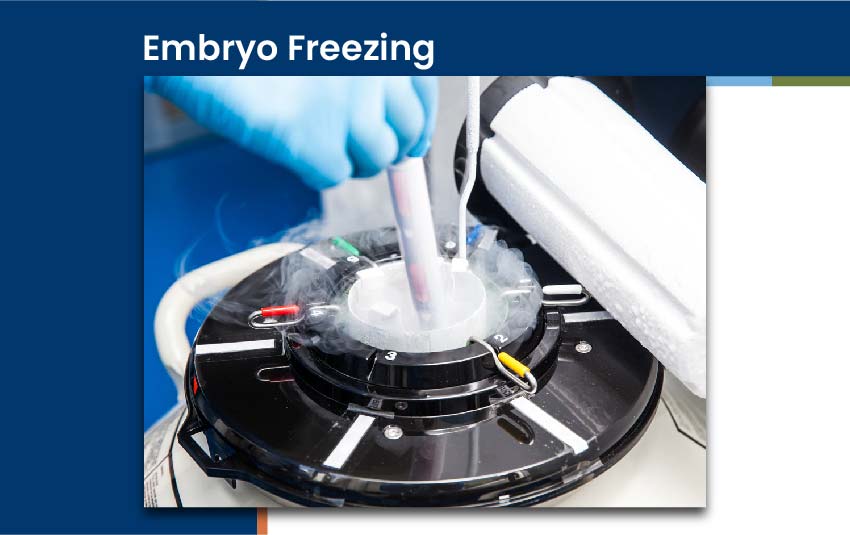
Embryo Freezing
A woman’s mature eggs can be preserved through the scientific method of egg freezing for use in the future. The method of retrieval is comparable to in vitro fertilization.
Approximately 4 to 6 weeks are required for the freezing cycle, which also includes 10 to 14 days of hormone injections to stimulate the ovaries and develop many, mature eggs. The eggs are instantly frozen after being extracted.
Why Consider Orkid For Egg Freezing?
A woman’s ovaries age quickly, and with time, both the amount and quality of her eggs decline, most noticeably in her 30s and 40s. One possibility for a future healthy pregnancy is to freeze your eggs as protection against the negative effects of aging and external factors like chemotherapy or radiation therapy.
Please schedule a consultation with one of the fertility experts to learn more about Egg Freezing in Surat and to determine whether this procedure is appropriate for you. We would be pleased to go over the potential dangers, results, and available options as they relate to your particular case.
Why not contact us right now? When it comes to the best egg freezing in Surat, we take great satisfaction in our dependable personnel and recognized knowledge.
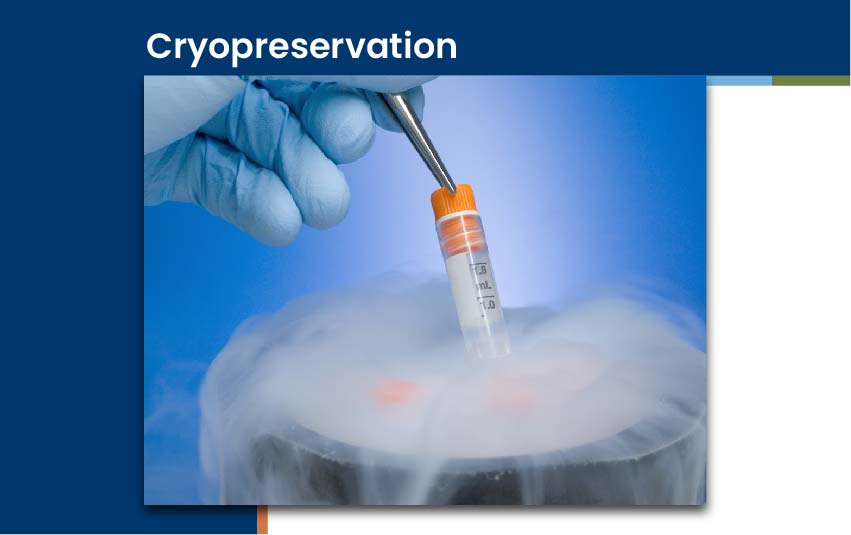
Cryopreservation is the preservation of frozen eggs, embryos, or sperm at freezing temperature for later use.
The best time for a woman to think about freezing her eggs to use for a later pregnancy would be in her late 20s or early 30s because fertility begins to wane once a woman reaches a certain age. Women will often have a greater ovarian reserve (the number of eggs in their ovaries) and better-quality eggs at that time.
Cryopreservation is a sophisticated, generally safe method that frequently results in a successful pregnancy in the future. According to research, the freezing and thawing of embryos do no harm to the offspring that result from frozen embryos. It is thought to be just as safe as having children from “fresh” embryos.

According to research and experience, infertile individuals and couples frequently react to their circumstances with despair, worry, irritation, loneliness, tension, and frustration. You shouldn’t have to go through these feelings by yourself as they are natural and normal, despite the fact that they are unpleasant.
Our Team
Our services are particularly created to support you through challenging times. Our Team Counseling is an essential component of fertility therapy.
Our counseling services are designed to help you overcome any doubt you may experience while considering your reproductive choices, to help you regain control of your life and stop living in “28-day cycles,” as well as to help you get your life back on track.
To know more about fertility counseling, feel free to contact Orkid for more information.

Blastocyst culture is a technique used in in vitro fertilization (IVF) that allows embryos to develop for an additional two to three days in a laboratory before being transferred to a woman’s uterus. This extended culture period allows the embryo to reach the blastocyst stage of development, at which point it has a higher chance of successfully implanting in the uterus and developing into a healthy pregnancy. Blastocyst culture also allows for the selection of the most viable embryos for transfer, which can increase the chances of successful pregnancy and reduce the risk of multiple pregnancies.
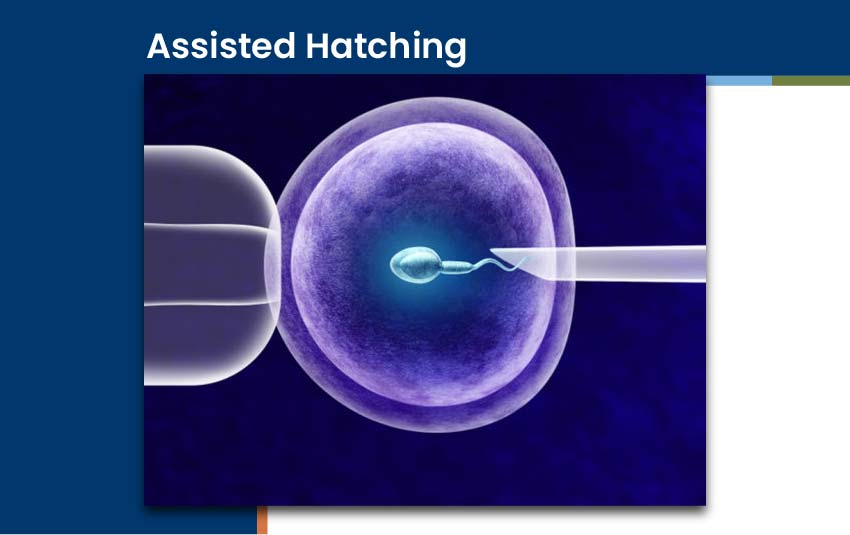
Assisted Hatching is a lab procedure where we can help the fertilized egg “hatch” from its “shell” by creating a small crack with a laser in the zona pellucida. Some people may have greater pregnancy rates as a result of assisted hatching because it is thought to help an embryo implant in the uterus. It can also be done on previously frozen and thawed embryos.

Get insider tips straight to your inbox, relate to the challenges other services teams face everyday.
© 2025 Orkid Hospital & IVF Centre. All Rights Reserved.
Powered By